Hot water heat pumps
Smarter, energy-efficient hot water for your home.
Switching to a hot water heat pump is one of the easiest ways to cut your household energy use. Instead of relying on electricity alone, heat pumps transfer heat from the air to efficiently heat your water, using up to 70% less energy than traditional electric cylinders.
At Jason Brown Plumbing, we supply and install two leading heat pump brands trusted in New Zealand homes:
You’ll get a reliable system tailored to your home, family size, and hot water demand, backed by expert installation and after-care support from our qualified technicians.
Our Recommendations

Rinnai Hot Water Heat Pumps
Smart. Efficient. Designed for NZ conditions.
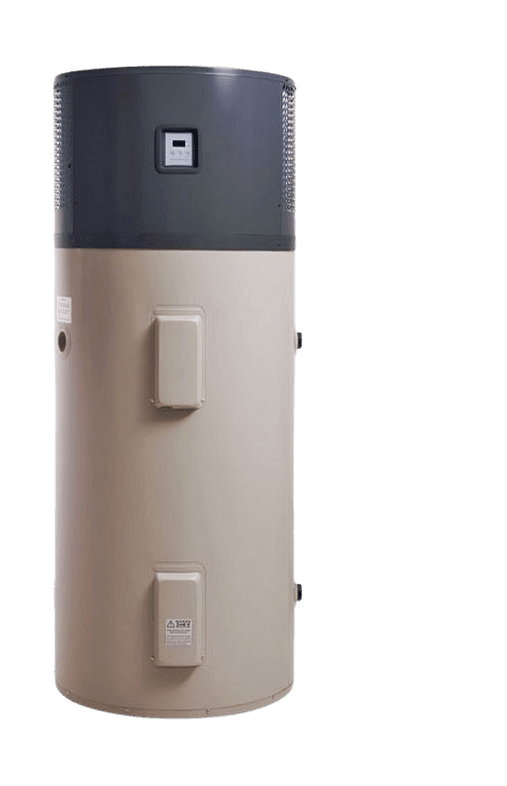
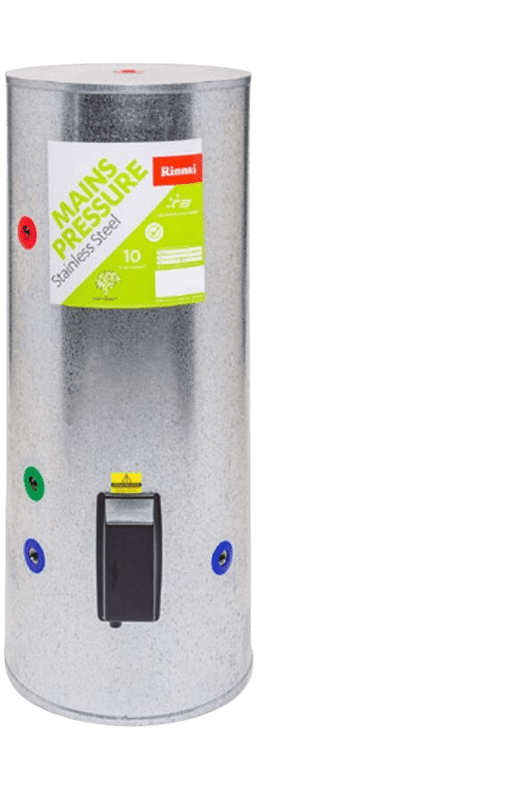
Rinnai delivers high-performance hot water systems that are compact, quiet, and built for reliability. Their range is perfect for typical Kiwi households looking to upgrade from a standard cylinder.
We’ll help you determine the right capacity and setup for your needs.
Learn more on our Rinnai Hot Water Heat Pump page

Mitsubishi Electric Hot Water Heat Pumps
Hydronic technology for next-level efficiency.
Mitsubishi Electric’s Ecodan hydronic heat pump systems offer premium energy savings and advanced control technology. Suitable for both hot water and home heating, they deliver outstanding comfort and performance.
Ideal for future-proof builds or high-usage homes
See system options on our Mitsubishi Hot Water Heat Pump page
Not sure which is best for your home?
We’ll walk you through the pros and cons of each system and recommend the most efficient solution for your household and budget.
What’s the difference between heat pumps and traditional cylinders?
Traditional electric cylinders use an electric element to heat water. They’re reliable but power-hungry, and once the hot water runs out, the re-heat time can be slow, and expensive.
Gas hot water systems provide rapid heating and continuous flow, but running costs are tied to gas prices, and they produce more carbon emissions.
Hot water heat pumps offer the best balance of efficiency, performance, and sustainability:
Faster recovery times, less chance of running out
Lower running costs, up to 70% savings on water heating
Reduced environmental impact, uses renewable heat energy from the air
Explore Rinnai and Mitsubishi Electric heat pump systems.
Understanding refrigerant types
The refrigerant inside a heat pump plays a key role in energy efficiency and environmental performance.
Common refrigerants include:
R290 (Propane) — a natural refrigerant with very low Global Warming Potential and excellent efficiency (common in modern NZ systems)
R744 (CO₂) — also high efficiency with strong sustainability benefits
Older synthetic refrigerants such as R134a — higher environmental impact and less efficient
Choosing a system using modern, eco-friendly refrigerants means better sustainability, lower lifetime costs, and future-proof performance.

Why Choose JB Plumbing for Energy-Efficient Hot Water Heat Pump Systems?
Award-Winning Expertise
Named 2025 Master Plumber of the Year—trusted for innovative, high-quality plumbing solutions.Smarter Hot Water
We supply and install heat pump systems that reduce energy use and lower your power bills.Qualified Installers
Fully licensed plumbers and gasfitters with the know-how to ensure your system runs efficiently and safely.Long-Term Savings
Heat pumps are a smart investment—we help you choose the right system to suit your home and water usage.Wellington’s Trusted Team
Proudly serving the region since 2005 with honest advice and expert installation.

What Everybody Should Know About Hot Water Heat Pumps.
Hot water heat pumps are quickly gaining popularity for their efficiency, cost savings, and environmental benefits. But what exactly are they, and how do they differ from traditional water heaters?
5 things you must know about hot water heat pumps.
1. How Hot Water Heat Pumps Work
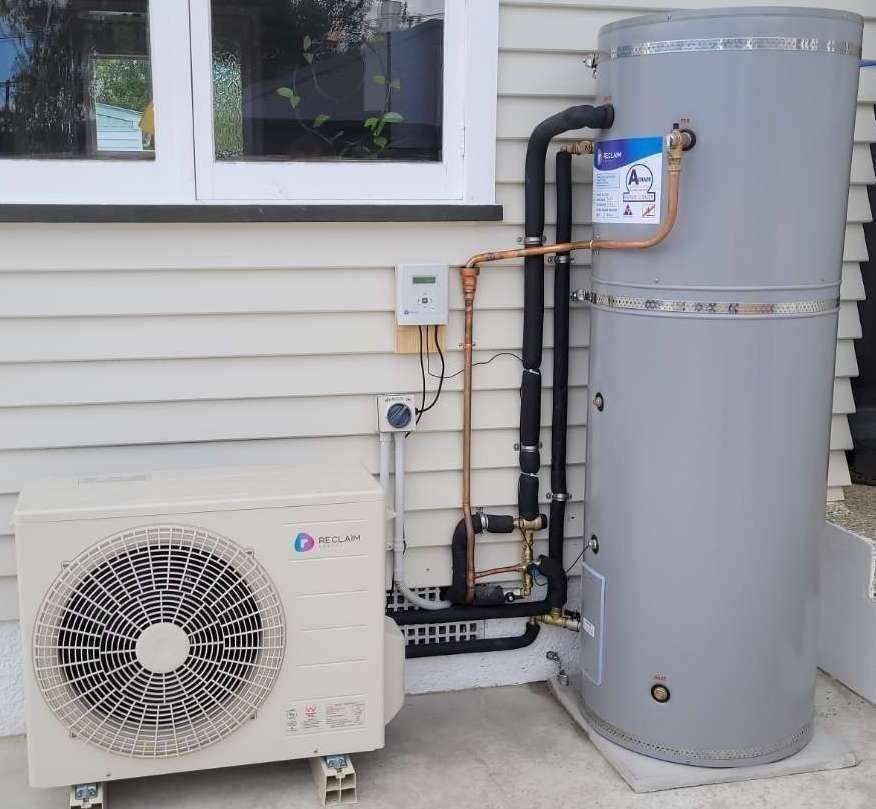
A hot water heat pump extracts heat from the surrounding air and transfers it to heat water. Unlike conventional water heaters that generate heat directly, heat pumps use a refrigerant cycle similar to air conditioners but in reverse. This process requires less energy, making it an energy-efficient way to heat water.
Key Components: Heat pumps consist of an evaporator, compressor, condenser, and expansion valve. These work together to transfer heat from the air to the water tank.
Efficiency Advantage: For every unit of electricity consumed, heat pumps can produce up to three to four units of heat, significantly more efficient than electric resistance heaters.
2. Energy and Cost Savings
Switching to a hot water heat pump can lead to substantial energy and cost savings over time. Traditional electric water heaters can be costly to operate due to their high electricity consumption. In contrast, heat pumps use much less energy.
Cost Comparison: While the upfront cost of a heat pump may be higher, the long-term savings on electricity bills make up for it. According to industry estimates, heat pumps can reduce water heating costs by up to 60%.
Return on Investment (ROI): For an average household, the ROI for a hot water heat pump can typically be achieved within a few years through energy savings alone.
3. Environmental Impact
Hot water heat pumps are not only efficient but also environmentally friendly. Because they use ambient air as a primary heat source, they produce fewer greenhouse gas emissions than traditional electric or gas water heaters.
Lower Carbon Footprint: By reducing electricity consumption, heat pumps contribute to lower CO2 emissions, helping combat climate change.
Sustainable Energy Use: Heat pumps align with renewable energy goals, especially if your home uses solar or wind energy to power the heat pump.
4. Maintenance and Longevity
Heat pumps are generally durable, but they do require some maintenance to operate at peak efficiency.
Routine Maintenance: The main tasks include keeping the coils and filters clean and checking for any refrigerant leaks. Scheduling an annual professional inspection can help maintain efficiency and prevent issues.
Expected Lifespan: A well-maintained heat pump can last 10-15 years or longer, outlasting most traditional water heaters.
5. How to Choose the Right System
Not all heat pumps are created equal, and the best choice depends on various factors, such as your climate, household size, and hot water needs.
Climate Considerations: Heat pumps work best in moderate to warm climates, but some models are designed to operate efficiently even in colder conditions.
Household Needs: Choose a heat pump with the right capacity. Larger families will need a bigger unit, while smaller households can benefit from a compact model.
Noise Levels: Some heat pumps can be noisy. Look for models that advertise quiet operation if noise is a concern.
Is a Hot Water Heat Pump Right for You?
If you're looking to lower your energy bills and reduce your environmental impact, a hot water heat pump is an excellent choice. However, consider factors such as upfront costs, climate, and your home's specific requirements before making a decision.
Summary of Benefits:
Energy Efficiency: Lower energy consumption compared to electric or gas heaters.
Cost Savings: Significant reduction in electricity bills.
Environmental Impact: Reduced carbon emissions and eco-friendly operation.
Longevity: Long lifespan with proper maintenance.
Ready to Take the Next Step?
We supply and install trusted systems from Rinnai and Mitsubishi Electric, with guidance every step of the way.
- OUR OPERATION
3 Reasons To Call Us

Superior Workmanship
Choose our plumbers/drainlayers and gas fitters for superior workmanship backed by a 2 year “Done Right First Time” Guarantee.

On Time & On Budget
Know your project is running to schedule with progress updates from our full time office staff. Each visit is confirmed via GPS tracked vehicles.

Ready For Your Call
Our office staff are ready to take your call now and ensure your job runs smoothly from first call to quoting, job completion and invoicing.
Frequently Asked Questions
Do hot water heat pumps work in Wellington’s climate?
Yes — modern systems are designed for efficient performance even in cold temperatures common in Wellington region.
Can a heat pump replace my existing electric cylinder?
In most cases, yes. We’ll assess your current system and advise on the best replacement option.
How long does installation take?
Typically half a day to a full day, depending on cylinder placement and any plumbing upgrades required.
How much can I save?
Most homes save 60–75% on water heating costs — one of the biggest contributors to household power bills.
Do heat pump hot water systems make noise?
They are very quiet in operation — typically no louder than a standard air conditioning unit outside your home.

Recent Plumbing Photos

TESTIMONIAL
What Our Clients Say About Us
Please see feedback from some of the thousands of clients we have helped solves problems for over the last 20 years.


Plumbing service areas
About Us
Outside of work, Jason Brown likes to get out amongst the great outdoors. You’ll find him competing in road cycling challenges or out on an adventure with wife and business partner Kirstie Brown and their three young children.