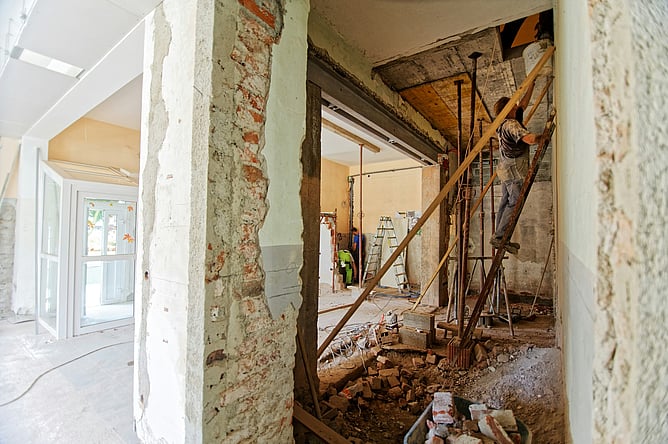
If you’ve ever managed a home renovation, built a new house, or even tried to get a major piece of plumbing sorted, you’ll already know where the process usually grinds to a halt.
It’s almost never the actual hands-on work that takes the time. Instead, it’s the waiting. Waiting for building consents to clear, and then waiting - sometimes for weeks - for a local council Building Consent Authority (BCA) inspector to show up on-site to sign off on a completed pipeline or a newly installed bathroom before the walls can be closed up.
But the way we handle building projects in New Zealand is undergoing its biggest shakeup in decades.
The Government is progressing the Self-Certification by Plumbers and Drainlayers Bill - a massive reform designed to cut through local council red tape. Under this new voluntary scheme, highly skilled, trusted tradespeople who have a proven track record will finally be allowed to sign off on their own work, aligning them with how electricians and gasfitters have operated for years.
Here is a breakdown of what this major legislative shift means for Kiwi homeowners, how it works, and why it is a total game-changer for project timelines.
Why the System Is Changing
Right now, the building consent system treats almost every job with fairly heavy-handed oversight. Whether a plumber is installing a basic downstairs bathroom or engineering a complex, multi-storey commercial drainage layout, a council inspector still has to physically visit the site to tick a box.
These inspection delays slow down productivity, keep homeowners living in construction zones longer than necessary, and ultimately drive up the cost of building.
The new self-certification scheme aims to fix that by shifting the responsibility into the hands of those who do the work. By allowing trusted, licensed professionals to certify that their work complies with the building consent and the Building Code, the scheme is expected to:
Reduce inspection delays so your building project can keep moving without stopping for days at a time.
Free up council inspectors to focus their time and resources on auditing higher-risk, more novel, or complex structural builds.
Lower overall construction costs by eliminating the hidden fees associated with project downtime and extended site management.
The Expanded Scope
When the self-certification scheme was initially drawn up, it was strictly focused on very low-risk, straightforward residential work like a basic single-bathroom install.
However, following strong feedback from the trade sector and Master Plumbers, the Government officially expanded the scope to make the system far more practical and useful for everyday projects.
While regulations are being finalised, the expanded scheme will now cover the majority of standard plumbing and drainlaying work across New Zealand, including:
Most residential work: Covers standard plumbing and drainage systems in homes up to three storeys high (excluding large apartment complexes).
Onsite rural and urban systems: Includes common large-scale installations like septic tanks and stormwater retention tanks, providing massive relief to rural properties and modern urban developments alike.
Minor commercial jobs: Extends to lighter commercial work, such as installing a staff kitchenette or small bathroom facilities in a commercial office space.

How It Works
You don't need to change how you choose a plumber, but the paperwork behind the scenes will look a bit different once the scheme goes live.
1. The Building Consent Stage
A building consent from your local council is still required for the overall project. When the consent application is submitted, the homeowner simply states which plumbing or drainage work is intended to be self-certified, and confirms their intent to use an endorsed professional. You don't even need to know the specific plumber's name at this initial application stage.
2. On the Job and Testing
The endorsed plumber or drainlayer carries out or supervises the installation as normal. They perform all the required pressure testing, commissioning, and quality control checks themselves, gathering visual proof along the way.
3. Issuing the Certificate of Compliance
Instead of booking a council inspection and waiting for a slot, the tradesperson issues a official Certificate of Compliance. This document acts as the legal guarantee that the work is up to code. It includes an paper trail of evidence, such as:
Official pressure and flow testing results.
Detailed "as-built" drainage designs showing exactly where the pipes sit underground.
Photographic evidence of the completed work before it is covered up by gib or concrete.
This paperwork is uploaded to a centralised self-certification register within 10 working days and handed directly to the homeowner and the council to clear the way for your final Code Compliance Certificate (CCC).
Keeping Consumers Protected
You may be wondering, if councils aren't inspecting the work, how will you know it’s safe?
The scheme isn't a free pass for anyone with a toolbox. The legislation includes strict consumer protections and oversight to ensure standard-driven quality remains incredibly high across the industry.
Strict Entry Criteria via the PGDB
The Plumbers, Gasfitters, and Drainlayers Board (PGDB) acts as the gatekeeper for the scheme. Only practitioners who are fully licensed, in excellent standing with the board, and possess a strong professional history can apply for an endorsement to self-certify. They must also undergo specialised training on self-inspection techniques and maintain robust record-keeping systems.
Insurance and Accountability
To hold an endorsement, certifying tradespeople must carry appropriate business insurance - including public liability and professional indemnity cover. This ensures that, in the rare event that something goes wrong, the homeowner is completely protected financially.
Auditing and Penalties
The PGDB will actively monitor, audit, and investigate self-certifying practitioners. The law introduces heavy new offences and financial penalties for anyone who fails to meet the required standards or submits dishonest compliance records, keeping the industry strictly accountable.
Why This Matters for You
At its core, this reform moves New Zealand away from a slow, reactive "check-box" culture and moves us toward a modern, high-trust model that respects professional qualifications.
For homeowners, it means less time waiting around for local government paperwork, fewer project delays, and a smoother path to getting your renovation or new build finished. It means your project stays on schedule, your tradespeople keep working, and you get to enjoy your finished home much faster.

Signs Your Tradie Is Ready for the Future
When planning your next project, look for a plumbing and drainage team that prioritises professional standards. A forward-thinking practitioner will always be happy to discuss:
Their current licensing status with the PGDB.
Whether your upcoming project fits into the self-certification criteria.
How they handle quality assurance, pressure testing, and "as-built" documentation.
The warranties and insurances that protect your home.
Ready to Start Planning?
Navigating building reforms can feel overwhelming, but we are here to make the process as straightforward as possible. Whether you are adding a new bathroom, upgrading an urban stormwater system, or tackling a complete new build, our team stays fully up-to-date with the latest legislative changes to ensure your project is compliant, safe, and delivered without unnecessary delays.
Get in touch with us today to discuss how we can help keep your next project moving smoothly!