Winter has a habit of exposing every weakness in a home.
The small draught you barely noticed in autumn is suddenly impossible to ignore. That heat pump that seemed fine a few months ago now struggles to keep up. And plumbing systems that have worked away in the background all year suddenly come under far more pressure.
In Wellington and the Hutt Valley, winter places unique demands on residential plumbing, with colder temperatures, heavier rainfall, increased hot water use, and damp conditions all pushing ageing systems harder than usual. That’s particularly true in older homes.
Most plumbing emergencies we attend during winter have been existing issues that colder weather, increased usage, or heavy rain have finally brought to the surface.
Why winter puts more pressure on your home
During winter, demand on your plumbing system increases across the board:
The ‘cold start’ for hot water: Groundwater enters your home significantly colder in June than in January. Your hot water cylinder has to work double-time just to reach a usable temperature, placing immense strain on ageing elements and thermostats.
The weight of heavy rain: Wellington doesn't do "gentle rain." Our storms bring horizontal rain that finds the tiniest gaps. When gutters are blocked with autumn debris, they hold hundreds of kilos of stagnant water, leading to sagging brackets and water backing up into your roof cavity.
Thermal expansion and contraction: Rapid temperature shifts cause pipes to move. In older homes with rigid metal piping, this constant "breathing" causes brittle joints to finally snap or old seals to perish.
Saturated ground pressure: As the soil becomes waterlogged, it places "hydrostatic pressure" on underground drains. If there’s a small crack from a tree root, the winter groundwater will find its way in, overloading your system and causing slow drains or backups.
The most common winter plumbing problems
Every winter, we see the same handful of issues appearing across the region.
Hot water cylinders failing: Winter is often when older cylinders finally give up. If your hot water has become inconsistent, takes longer to heat, or the cylinder has started making unusual noises, it’s worth getting checked before it fails completely.
Blocked gutters and stormwater drains: Wind-blown leaves and moss fill Wellington gutters quickly. Once water can’t flow, it overflows against cladding and into foundations. In the Hutt Valley, where sections can be flatter, this often leads to significant surface flooding.
Subfloor moisture and dampness: Winter rain combined with poor drainage can leave homes with persistently damp subfloors. Over time, this contributes to mould growth and timber rot - issues a dehumidifier alone can't fix.
Leaking pipes and fittings: Colder weather and increased pressure on plumbing systems can expose weak seals, ageing pipework, and fittings that were already close to failing.
Why small winter issues escalate quickly
One of the challenges with winter plumbing problems is that moisture spreads quietly.
A small leak behind a wall during summer might dry out quickly and go unnoticed. During winter, that same moisture can linger for weeks as dampness builds up faster and ventilation is reduced.
Similarly, blocked stormwater drains might only cause minor pooling during lighter rain, but during a heavy Wellington downpour, they can quickly overwhelm a property.
Winter also tends to expose problems at the worst possible time - when trades are busiest, suppliers are under pressure, and going without hot water becomes significantly more disruptive.
The 5-minute weekend walkthrough: what you should check before winter deepens
You don’t need a tool belt to assess how your home is handling the season. Grab a coffee, pick a dry morning, and take a quick walk around your property with these three focus areas in mind.
1. Check around the outside of your home
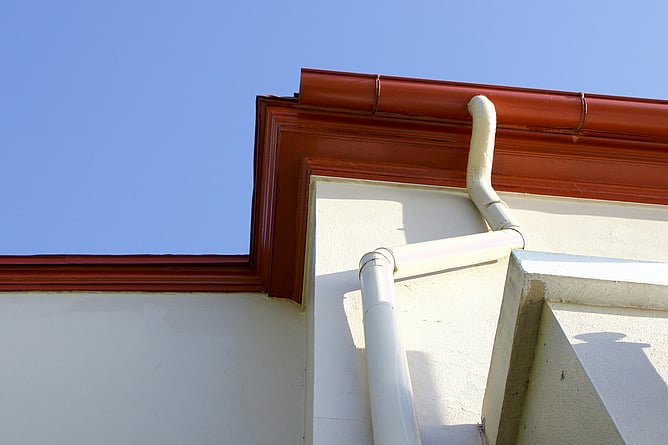
Start by walking the perimeter of your house and taking a look at your roofline and gutters. Are your gutters sitting properly, or do they appear to be sagging? Do you notice any signs of water overflowing after rain? Leaves, moss, and other debris can build up surprisingly quickly during winter and prevent water from flowing where it should.
While you're outside, look at the ground around your home. If you notice persistent puddles, boggy patches of lawn (especially in flatter parts of the Hut Valley), or water sitting against the house after rainfall, your drainage may not be moving water away from the property effectively.
2. Check under the house
If your home is built on piles, spend a moment checking underneath.
You don't necessarily need to crawl into the subfloor, but it's worth making sure foundation vents aren't blocked by vegetation, stored materials, or stacked firewood. Good airflow beneath your home helps reduce moisture build-up and can prevent dampness from becoming a larger issue during winter.
3. Look for signs of moisture indoors
Next, head inside and check a few of the areas that are easy to overlook.
Take a look inside the hot water cylinder cupboard if you have one. Does the space feel dry and normal, or is there an unusual dampness or musty smell?
It's also worth opening the cupboards beneath your kitchen and bathroom sinks and taking a look with a torch. Check for damp patches, water staining, swelling in cabinetry, or signs of mould. These can all indicate a slow leak that hasn't become obvious yet.
4. Check your hot water cylinder
Your hot water cylinder does a lot of work over winter, so it's worth making sure everything is operating as it should. Most cylinders have a temperature-pressure relief valve with a pipe running outside the home. It's normal to see the occasional drip from this pipe as the cylinder heats water.
However, if you notice a steady flow of water rather than the occasional drip, it may indicate a problem with the valve. Left unchecked, this can waste significant amounts of water and increase your energy costs. It's also worth paying attention to any changes in your hot water performance. If you're running out of hot water more quickly than usual or noticing unusual noises coming from the cylinder, it may be time to have it inspected.
Signs it's time to call a plumber
If you notice any of the following during your winter checks, it's worth getting them looked at sooner rather than later:
Water pooling around your home after rain
Gutters overflowing during heavy downpours
Slow-draining sinks, showers, or outdoor drains
Unexplained damp patches, mould, or musty smells
Unusual noises from your hot water cylinder
A noticeable drop in hot water performance
Visible leaks, corrosion, or dampness around pipework
Need a hand?
Whether it's a drainage concern, a leaking pipe, hot water issues, or a general plumbing check-up, our team can help identify the cause and get it sorted before it turns into an emergency.
A little attention now can help keep your home warm, dry, and running smoothly for the rest of winter. Get in touch today, and avoid finding out the hard way what winter can do to an ageing plumbing system.